


Introduction
Heartopia is often described as a cozy social sandbox game, but that description barely scratches the surface of what the game is trying to become. Heartopia is not just a life-sim or community game — it is an attempt to build a top-tier social game platform where creativity, identity, exploration, and community interaction merge into one living digital world.
What truly makes Heartopia stand out among top games is not its cute visuals or relaxing gameplay, but its social-first world design combined with player-driven systems.
This Top Game analysis focuses on one specific factor that places Heartopia in a unique category:
its identity-based social sandbox system as a long-term platform model, not just a casual game mechanic.
This is not a hype article.
This is a structural evaluation of why Heartopia is designed like a top-tier ecosystem game, not just a cozy simulator.
1. Top Game Identity: Heartopia Is Built as a Social Platform, Not Just a Game
Most cozy games are content loops. Heartopia is a social ecosystem.
Top-game traits Heartopia shows:
- Player identity systems
- Social interaction mechanics
- Community-driven spaces
- Shared world logic
- Customization-first design
This places Heartopia closer to social platforms than traditional simulation games.
Top Game logic:
Games deliver experiences.
Platforms create communities.
Heartopia is trying to do both.
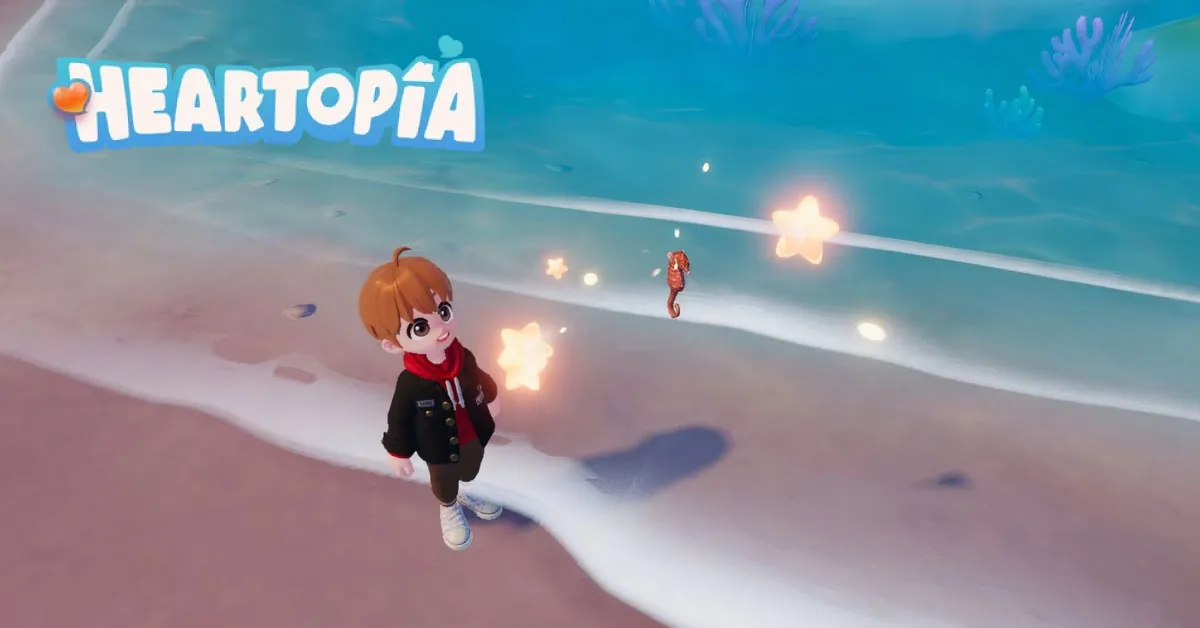 2. Top Game Feature: Living Social Worlds as Content Engines
Heartopia’s world is not static — it is socially dynamic.
What makes it top-tier:
- Player-created spaces
- Shared environments
- Community hubs
- Social activities
- Interaction-driven progression
The world becomes a social content engine, not a fixed map.
Top Game advantage:
Content is created by players, not developers.
Replayability comes from people, not maps.
3. Top Game Depth: Identity Systems Over Traditional Progression
Heartopia prioritizes identity over power progression.
Examples:
- Avatar expression
- Personal spaces
- Social roles
- Community presence
- Reputation logic
This shifts the game from “progression-based” to “identity-based.”
Top Game rule:
Levels create hierarchy.
Identity creates belonging.
4. Top Game Ecosystem Potential: Community as Core Infrastructure
In most games, community is external.
In Heartopia, community is the core system.
Top ecosystem traits:
- Social hubs
- Player gatherings
- Cooperative activities
- Shared progression systems
- Emotional engagement design
This transforms Heartopia into a community platform, not just a game.
Top Game platforms are not consumed — they are lived in.
5. Top Game Innovation: Cozy + Social Platform Fusion
Very few games combine:
- Cozy aesthetics
- Social sandbox design
- Identity systems
- Community mechanics
- Player expression tools
This fusion creates a new category:
Cozy Social Platform Game
Not a genre — a platform model.
That’s what places Heartopia in Top Game territory.
6. Top Game Risk: Emotional Dependency and Community Fragility
Top social games face unique risks.
Risks Heartopia faces:
- Community toxicity
- Social fragmentation
- Player exclusion
- Identity conflicts
- Emotional dependency loops
But these risks come with social depth.
Top games deal with people, not systems.
People are complex.
7. Top Game Design Philosophy: Long-Term Social Ecosystem Thinking
Heartopia is not designed for short-term play sessions.
Design indicators:
- Persistent worlds
- Identity continuity
- Community evolution
- Long-term social bonds
- Platform mindset
Top games think in years, not updates.
8. Top Game Player Value: Emotional Replayability
Replayability is not content quantity — it’s emotional connection.
Heartopia offers:
- Relationship building
- Social memory
- Shared experiences
- Community history
- Emotional attachment
This is emotional replayability, not mechanical replayability.
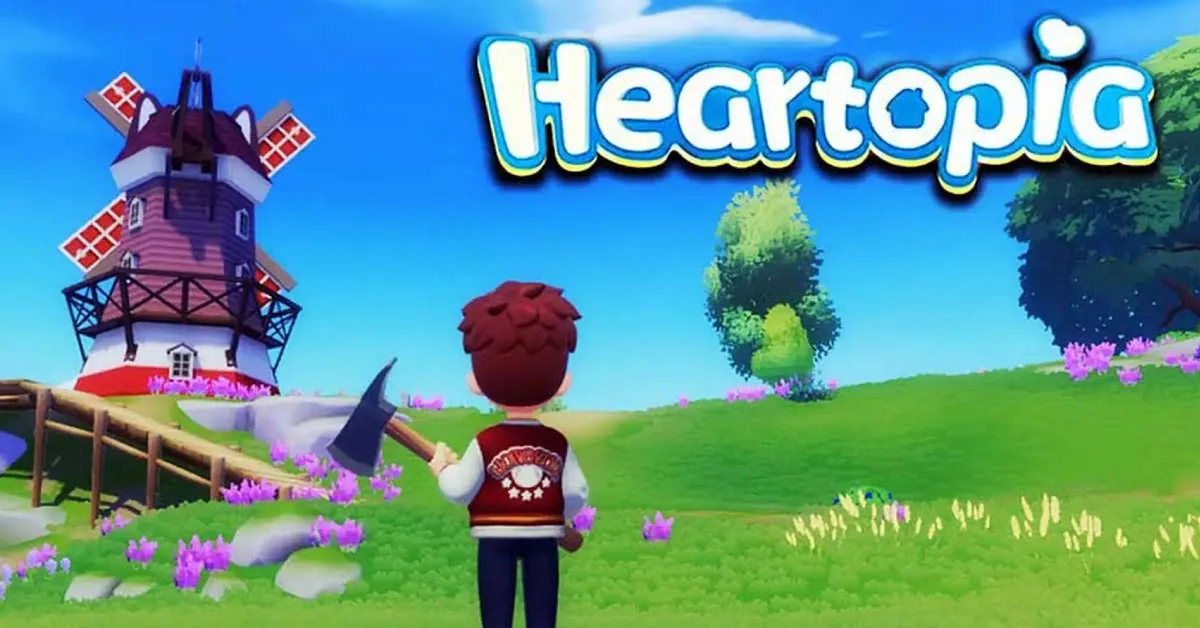 9. Top Game Category Positioning
Heartopia does not fit traditional categories:
Not just cozy
Not just social
Not just simulation
Not just sandbox
Not just multiplayer
It belongs to a new category:
Social Platform Game Ecosystem
Top games define categories — they don’t follow them.
10. Top Game Status: Why Heartopia Is Structurally Built for Longevity
Longevity comes from social architecture.
Heartopia’s longevity drivers:
- Community systems
- Identity persistence
- Social spaces
- Player-driven content
- Emotional investment
This makes it structurally capable of long-term survival.
Top games are not defined by launch success.
They are defined by community survival.
Conclusion
Heartopia deserves recognition as a Top Game not because of graphics, cuteness, or trends — but because of its social architecture. Its identity systems, community-first design, and platform-level thinking place it far beyond traditional cozy games.
It is not being built as a product.
It is being built as a social ecosystem.
Not as a simple game.
But as a digital community space.
If Heartopia succeeds, it will not be remembered as a cozy game — it will be remembered as a social platform world, where friendships, communities, and digital lives were built.
That is what Top Game design truly means.