





1. Early Exploration: How to Establish a Solid Foundation
Start your campaign with a slow, methodical exploration mindset. Resist the urge to rush into new areas as soon as a path opens; instead, take time to clear each zone thoroughly, speak to every NPC you meet, and check corners for breakable walls and hidden benches. Early-game progression decisions matter because invisible flags can gate NPC movement and quest availability later on. Establishing safe routines—like returning to earlier regions after major boss fights and using benches to save frequently—reduces the risk of missing world-state triggers.
Learn how to track your own progress. Use an external notebook or a quick in-game checklist to note NPCs met, bosses defeated, charms obtained, and key items found. This habit helps you spot when an NPC doesn’t show up where you expect them, or when a door you thought would remain reachable has transformed. Being methodical in the early hours pays dividends; small counterintuitive steps—thoroughly exploring side-caves before major confrontations—often preserve optional content.
2. Managing NPCs and Questlines: How to Avoid Missing Important Encounters
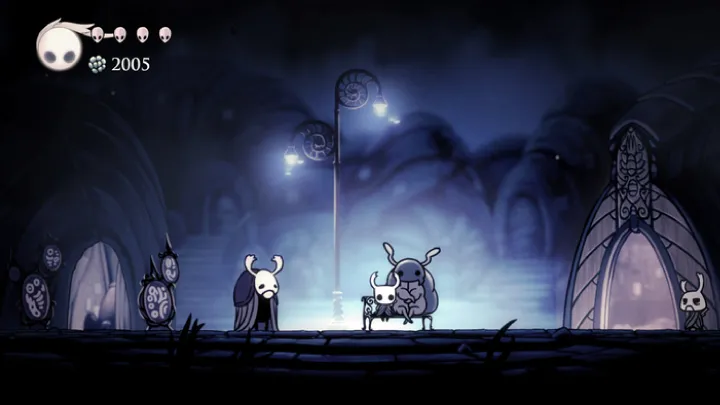
Many important quests are gated by NPC appearances that shift with world events. When you meet an NPC with a quest marker or distinctive dialogue, prioritize returning to that character after new major events like boss defeats. If an NPC offers to meet later in a particular city, mark it down and check back after you finish nearby objectives. Some NPCs, once missed, will never return without a save reset or replay. Recognizing which characters are delicate is part of avoiding irreversible progress conflicts.
If you suspect you missed a quest, test a simple recovery strategy before assuming it’s lost. Return to previous regions, rest at benches, and replay key encounters when possible to reset minor state flags. For quests that appear to be truly gone—like lost dialogue lines from a character—consult community guides or saved-game backup tools. Understanding the difference between transient NPC movement and permanent quest loss helps you prioritize which interactions to secure on a first playthrough.
3. Progression Order: How to Sequence Bosses and Regions to Minimize Locks
The game’s semi-linear backbone means certain boss defeats will change the world permanently. To minimize accidental locks, adopt a recommended progression order: take on early bosses in Forgotten Crossroads, proceed to Greenpath and Fungal Wastes, explore City of Tears and Deepnest carefully, and avoid rushing to late-game zones like the White Palace or Kingdom’s Edge until you have key upgrades. Following this flow reduces the chance that a region transforms before you complete optional content.
If you prefer non-linear play, create strategic backups: before attempting a major boss that might trigger global changes, make a save copy if your platform allows (PC users can back up save files). This gives you a rollback point if you realize you’ve missed essential encounters. For console players, consider documenting your save state by taking screenshots of key inventories and benches visited; then, if something disappears permanently, you’ll at least know what to target on a second run.
4. Charm Loadouts and Combat How-To: Building for Purpose
Charms dramatically alter combat and traversal. Instead of treating charms as purely “best-in-slot,” plan loadouts for distinct purposes: exploration, boss attempts, platforming challenges, and speed. For exploration, equip charms that boost survivability and geo income; for boss fights, prioritize damage and control charms; for platforming sections, select charms that improve movement or recovery options. Experiment with different combinations in low-risk areas before committing to a boss fight to see how they change your playstyle.
Understand charm notches and synergy. Some charms have strong combos: pairing lifeblood or shade-based charms with fragile but high-damage charms can give a balanced risk-reward. Practice swapping charms at benches to quickly iterate builds. Also learn to micro-adjust during fights—if a boss has heavy projectile patterns, switch to charms that improve mobility and healing; if a boss is single-target and has long windows for damage, go all-in on offensive charms.
5. Nail Upgrades, Spells, and Tools: How to Time Power Spikes
Nail upgrades and spells mark major power spikes. Prioritize obtaining the first and second nail upgrades as early as you can safely manage because they significantly alter combat pacing. Spells offer range and control, making early hybrid builds (nail plus spell) very effective. Plan routes to key vendors and stag stations so you can return and buy upgrades without losing progress. Certain areas will feel punishing without a minimal set of upgrades, so timing matters.
Treat the Nail and spell progression as a roadmap. If you find yourself repeatedly struggling in a zone, ask whether you’ve missed an upgrade or a charm that would ease the path. Often, retracing steps to explore previously locked subareas will uncover the exact power boost needed. Think of each upgrade as a designed gateway, not a grind requirement.
6. How-To for Boss Preparation: Practical Steps Before a Major Fight
Preparation beats trial-and-error for many bosses. First, study patterns: take a few observation runs without committing to aggressive offense to learn timing windows. Second, prepare a bench near the arena, or memorize the closest bench so you can rest and change charms quickly. Third, load the appropriate charm set and ensure you have healing reserves—grubs eaten, lifeblood, or other sustain methods. If you plan to attempt a no-hit or speedrun variant, practice movement tech in safe areas beforehand.
Use what the game gives you: mapping, dirtmouth gossip, and arena layouts all hint at boss mechanics. If a boss has long telegraphed sequences, position yourself to exploit its recovery frames. If one pattern consistently kills you, practice the exact parry or dash timing in offline scenarios. Small optimizations—like hugging certain angles or baiting attacks toward predictable dodging lines—make the difference between grinding and progressing.
7. How-To to Preserve Endings and Avoid Irreversible Locks
Understanding ending conditions is key to preserving your desired outcome. Identify the major narrative triggers—such as obtaining the Void Heart, defeating the Dreamers, and specific NPC questlines—and sequence your actions to secure them. If you aim for a particular ending, follow a checklist approach: confirm companion quests are completed, verify that you possess required items, and double-check that you have not skipped events tied to endings.
If you want to experience multiple endings, plan a dedicated playthrough for exploration and a separate, optimized run for each ending. Use external guides to map which actions influence endings and which are irreversible. For players worried about accidental locks, the safest approach is to complete all significant NPC questlines and optional content before engaging in the final Dreamer confrontations.
8. How-To Use Community Tools: Mods, Randomizers, and Preservation Aids
Community mods can be powerful learning tools. Install a randomizer to force you to adapt to different item placements and to better understand the game’s underlying progression graph. Use restoration mods to explore content cut before release, which illuminates design choices and clarifies ambiguous lore or triggers. Mods for practice arenas or spawn control let you isolate boss mechanics without re-running long segments repeatedly.
Always back up saves before applying mods and use trusted modding guides. For speedrunning practice, use save states or practice patches that let you test specific segments repeatedly. Preservation projects also offer prototype builds that reveal earlier logic and state flags; studying those builds helps you infer why certain triggers behave the way they do.

9. How-To for Speedrunning Fundamentals: Clean Techniques and Routing
Speedrunning Hollow Knight rewards understanding both movement tech and state sequencing. Begin with fundamental movement: mastering nail bounces, dash precision, and corner clips. Learn sequence breaks that remain legal in your chosen category and practice them consistently. Route planning is crucial: identify which early events you must trigger or avoid to maintain fast access to late-game zones.
Study existing runs and splits to see where top runners shave seconds. Then, adapt those ideas to your skill level, building segmented practice routines. Use a timer, practice individual segments, and gradually stitch them together. For community categories like Any% or 100%, learn how state flags influence routing decisions so you don’t accidentally trigger longer paths.
10. How-To for Endgame Mastery and Post-Game Content
Endgame demands mastery across combat, charm optimization, and precise routing. For Pantheon challenges, focus on consistency: create target-specific strategies for each boss and rehearse transitions between encounters. For the White Palace or Path of Pain content, plan charm sets that maximize survivability and practice platforming routes in safe sections before attempting full runs. When approaching post-game content, maintain patience—many encounters rely on muscle memory as much as strategic planning.
After clearing the main story, engage with community challenges: attempt boss rushes, experiment with unofficial co-op or mods, or explore preservation builds. These activities prolong learning and give you new perspectives on how progression systems interplay across the whole game.

Conclusion
Hollow Knight’s depth comes from the interplay of hidden progression, subtle triggers, and elegant mechanics. By adopting deliberate exploration habits, tracking NPCs and quests, sequencing bosses carefully, and using community tools for practice and preservation, you can navigate Hallownest with fewer regrets and greater satisfaction. Whether your goal is completion, mastering speedruns, or savoring the lore, applying targeted how-to strategies transforms confusion into mastery while keeping the magic of discovery alive.