






1. How-To Begin Your First Days Effectively
Start your first in-game week by clearing only the essentials from your farm. Many new players waste time removing every log and weed, but early energy is precious. Focus instead on making a small area for crops and gathering basic resources like wood and stone. Watering crops should become your first daily ritual, followed by foraging around the map for early income. Foraging items in Spring—like Daffodils and Wild Horseradish—sell well enough to fund your first seeds.
Use your early days to unlock essential tools. Visit the beach on day one to pick up the lost fishing rod; this instantly gives you an alternative source of early income. Resist the urge to plant too many crops until you upgrade your watering can or build sprinklers. An overextended crop field can drain your energy and reduce productivity.
2. How-To Make Money Fast in Early Game
Diversify your income streams. Farming is powerful, but fishing and foraging produce quick cash before your crops mature. Use rainy days for fishing—it saves energy and boosts your catching efficiency. If you reach level 2 or 3 fishing early, you’ll start catching higher-value fish, which accelerates your income. Selling fish in bulk can fund your first backpack upgrade, one of the most important early investments.
Spring crops like potatoes, kale, and strawberries offer high returns. Plan to attend the Egg Festival to buy strawberries, as they become your first major profit booster. By maximizing fishing during rainy days and planting high-yield crops, you create a balanced economic foundation that carries you into Summer with confidence.
3. How-To Structure Your Farm Layout
Farm organization is essential for long-term efficiency. Start by marking pathways and planning where to place barns, coops, and crop fields. Keeping your farm neat ensures you won’t waste time walking across fields or misplacing equipment. Initially, you should prioritize one main crop field and one small animal zone. As you progress, turn early structures into automated production layouts featuring sprinklers, scarecrows, and fencing.
Think ahead when placing buildings. Your barn and coop should be near your house to reduce travel time for collecting eggs and milk. Leave space for future expansions, including sheds for processing machines and a greenhouse zone. A thought-out layout reduces clutter and increases productivity once you're managing multiple crops and animals.
4. How-To Manage Energy and Time Efficiently
Energy management is a core mechanic. Use cooked food, field snacks, and forageables to restore energy throughout the day. Mines require substantial energy, so pack food before entering. Keep an eye on time; fainting at 2:00 AM causes loss of money and items. Set a mental “cutoff time” for mines or other distant areas to ensure you return home safely.
Use rainy days as “efficiency boosters.” Rain eliminates watering needs, giving you full energy for mining or fishing. Schedule important tasks like cave runs or large tree-chopping sessions on days when you have natural energy savings. Managing energy like a resource ensures you stay productive without burnout.
5. How-To Progress in the Mines Safely and Quickly
Descending the mines efficiently requires preparation. Bring torches, food, and inventory space. Aim to reach at least five new floors per trip; elevators unlock every five levels, offering natural progress checkpoints. Prioritize breaking crates and barrels—they often contain food and valuable ore. Avoid fighting every monster; learning when to run saves energy and health.
Once you reach floor 40, your access to iron ore begins. Iron allows you to build quality sprinklers, which dramatically reduce your watering burden. From floor 80 onward, gold ore becomes accessible, enabling advanced sprinklers and high-level crafting. Treat the mines as a long-term staircase of power progression, each tier giving you better tools and automation potential.
6. How-To Manage Crops Across Seasons
Each season demands different strategies.
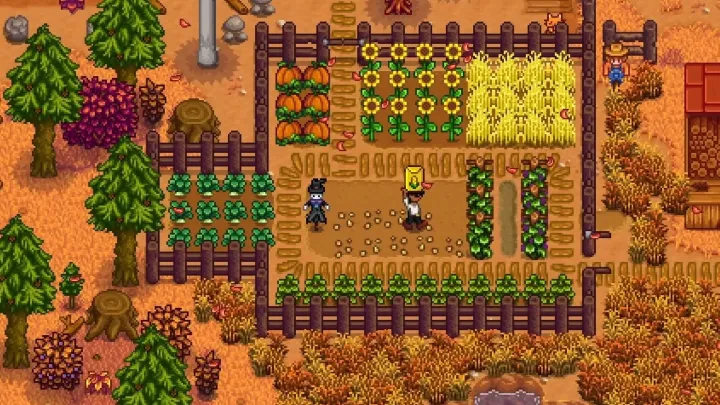
Spring: Focus on potatoes, kale, and strawberries.
Summer: Prioritize blueberries and melons for high returns.
Fall: Cranberries and pumpkins dominate profit charts.
Plan your planting schedule carefully. Crops that regrow (blueberries and cranberries) deliver repeated profits but require initial watering investment. Large single-harvest crops like melons and pumpkins should be planted in 3×3 grids for giant crop chances. As soon as you unlock sprinklers, reorganize your fields to maximize automation and reduce daily labor.
7. How-To Build Relationships Efficiently
Relationships influence story progression, recipes, and farm upgrades. To build friendships efficiently, give gifts on birthdays—they offer massive boosts. Learn villagers’ favorite and loved items early on; maximizing relationship points leads to special events that unlock key benefits, including room renovations, recipes, and cutscenes.
Use routines to visit villagers consistently. Plan your daily routes: check Pierre’s store, swing by the beach, visit the blacksmith, and pass by villagers' favorite hangouts. Once you understand NPC schedules, relationship-building becomes smooth and rewarding, opening up the best emotional moments in the game.
8. How-To Manage Animals and Ranching
Animals require attention, but once automated, they become stable profit sources. Buy the silo before the coop—this ensures your grass becomes stored hay instead of wasted. As you upgrade your barn and coop, animals gain happiness from regular petting, feeding, and free-range outdoor days. Happy animals produce higher-quality goods.
Once you unlock processing machines, ranching profits skyrocket. Mayonnaise machines, cheese presses, and oil makers convert raw goods into valuable artisan products. Use sheds to store your machines for a tidy farm. The combination of animal happiness and processing automation turns ranching into a major revenue pillar.
9. How-To Automate and Optimize Your Farm
Automation is the turning point of Stardew Valley. Quality sprinklers, kegs, jars, and processing machines eliminate repetitive tasks. Build your sprinkler network as early as possible, reorganizing your layout around irrigation patterns. Once automated, your daily routine becomes lighter and more strategic, freeing time for mining, fishing, and social goals.
Late-game optimization includes greenhouse mastery. Fill your greenhouse with high-value crops like ancient fruit or starfruit, then automate with iridium sprinklers. Pair these with kegs for ancient fruit wine or starfruit wine, maximizing seasonal income into year-round profit.
10. How-To Prepare for Late-Game and Perfection Goals
Late-game content includes Ginger Island, Qi’s challenges, and perfection rating. Prioritize upgrading your tools to iridium and organizing your farm for full automation. Ginger Island offers new crops, fossils, and secrets that expand your endgame. Completing the community center or Joja route unlocks further perks and abilities that accelerate progress.
To reach perfection, track every requirement: golden walnuts, monster slayer goals, cooking recipes, farm layout, and all-star achievements. Break long-term goals into weekly tasks. Perfection is a marathon but immensely satisfying once completed.