






Introduction
Astroneer is a sandbox survival and exploration game that drops players into procedurally generated solar systems filled with colorful planets, strange resources, and mysterious alien structures. Unlike combat-heavy survival games, Astroneer focuses on creativity, logistics, and problem-solving, allowing players to shape terrain, automate systems, and slowly master interplanetary travel. Every planet offers unique challenges, encouraging experimentation rather than brute force.
This guide is built for players who want to understand Astroneer deeply, from the first moments of oxygen management to advanced automation and late-game planetary networks. Whether you are new to the game or returning after updates, these tips and strategies will help you survive longer, build smarter, and explore farther with confidence.
Understanding Core Survival Systems
Survival in Astroneer revolves around oxygen, power, and terrain awareness. Oxygen is the most immediate threat early on, as players must remain connected to tethers or vehicles to avoid suffocation. Learning how to place tethers efficiently allows you to explore further without wasting materials or time.
Power is the second critical system. Most tools, vehicles, and modules require energy to function. Early generators are unreliable, so understanding when and how to use batteries becomes essential. Conserving power by turning off unused devices helps prevent unexpected shutdowns during important tasks.
Terrain manipulation is the third pillar of survival. The terrain tool allows players to dig, flatten, and reshape the world freely. Mastering terrain control helps you access resources safely, create ramps, and avoid dangerous cave drops that can trap or kill unprepared players.
Efficient Base Building and Expansion
Your starting base is small, but it quickly becomes the center of your entire operation. Placing your base on flat terrain near diverse resources saves time and reduces travel risks. Early mistakes in base placement can slow progress significantly.
As you expand, organization becomes increasingly important. Separating production areas, storage zones, and vehicle platforms keeps your base efficient and readable. Leaving space for future modules prevents clutter and reduces the need to rebuild later.
A strong base grows outward rather than upward. Wide layouts make it easier to manage cables, platforms, and automation chains. Planning expansion paths early ensures smooth growth as your technology improves.
Resource Gathering and Planetary Materials
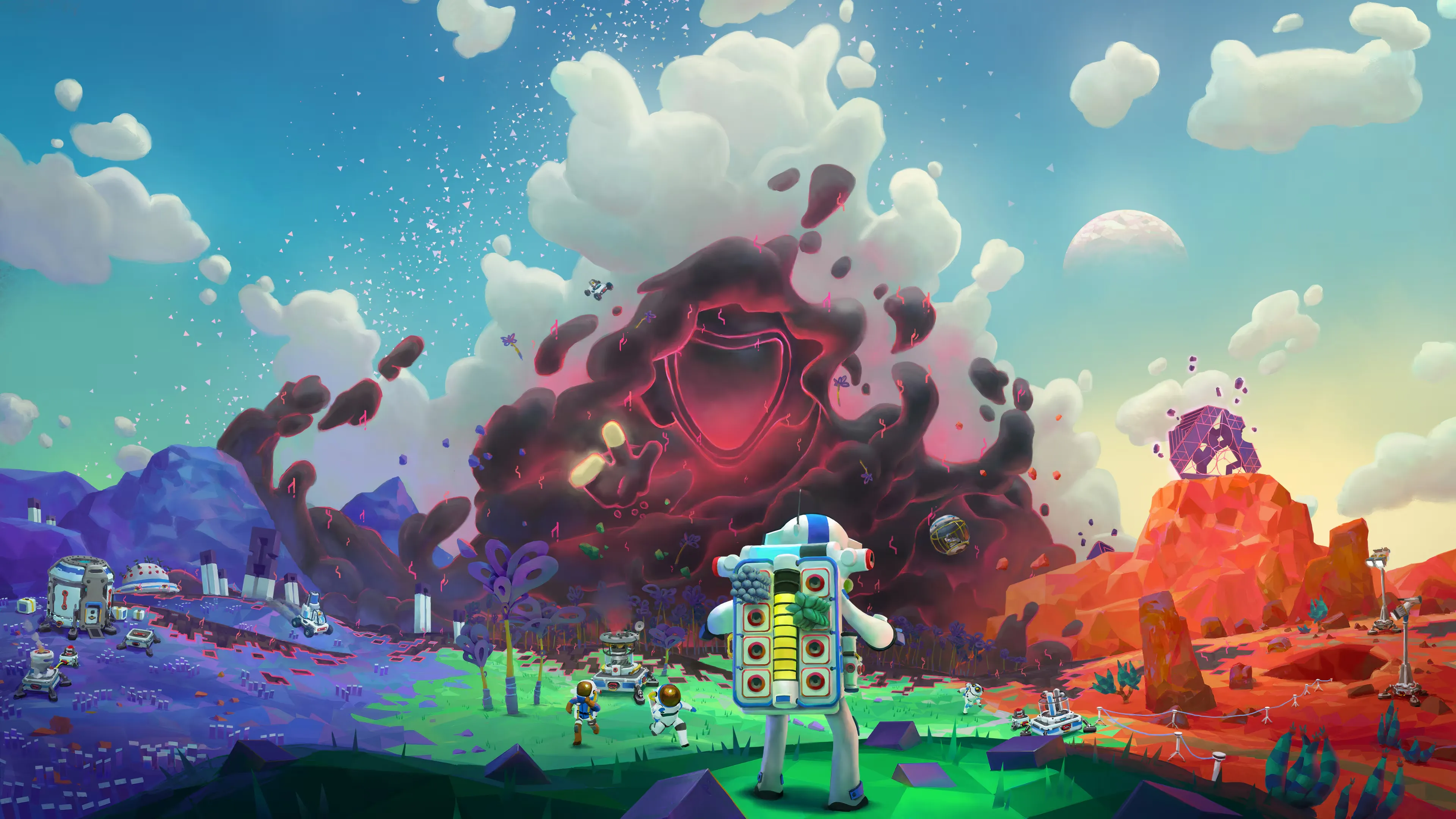
Each planet in Astroneer offers unique resources, and understanding where to find them is essential for progression. Common materials like Compound and Resin are plentiful, but advanced resources require deeper exploration or off-world travel.
Mining efficiently means digging carefully. Avoid collapsing terrain or digging straight down without escape paths. Using ramps and controlled tunnels keeps you safe while preserving terrain for later use.
Storage discipline is crucial. Sorting resources by type and proximity to crafting stations saves time and reduces frustration. Players who ignore storage organization often waste hours searching for materials they already own.
Power Generation and Energy Management
Early power generation relies on small generators and basic solar panels. These sources are inconsistent and require constant attention. Transitioning to batteries as soon as possible stabilizes your energy supply and reduces interruptions.
Later power options dramatically change gameplay. Wind turbines, large solar arrays, and advanced batteries allow continuous operation across multiple platforms. At this stage, power becomes a strategic resource rather than a limitation.
Power cables and platforms should be planned carefully. Messy wiring increases confusion and makes troubleshooting difficult. Clean layouts improve reliability and make future automation easier to implement.
Vehicles, Rovers, and Transportation
Vehicles unlock a new layer of exploration. Rovers allow players to carry oxygen, power, and storage across long distances, making surface travel safer and faster. Early rover use dramatically expands exploration range.
Designing efficient rovers requires balance. Too many modules can drain power quickly, while too few reduce usefulness. Storage, oxygen, and power should always be prioritized.
Later vehicles enable large-scale transport between bases and planets. Learning how to pack and deploy rovers efficiently saves time and prevents resource loss during interplanetary travel.
Planetary Exploration and Cave Systems
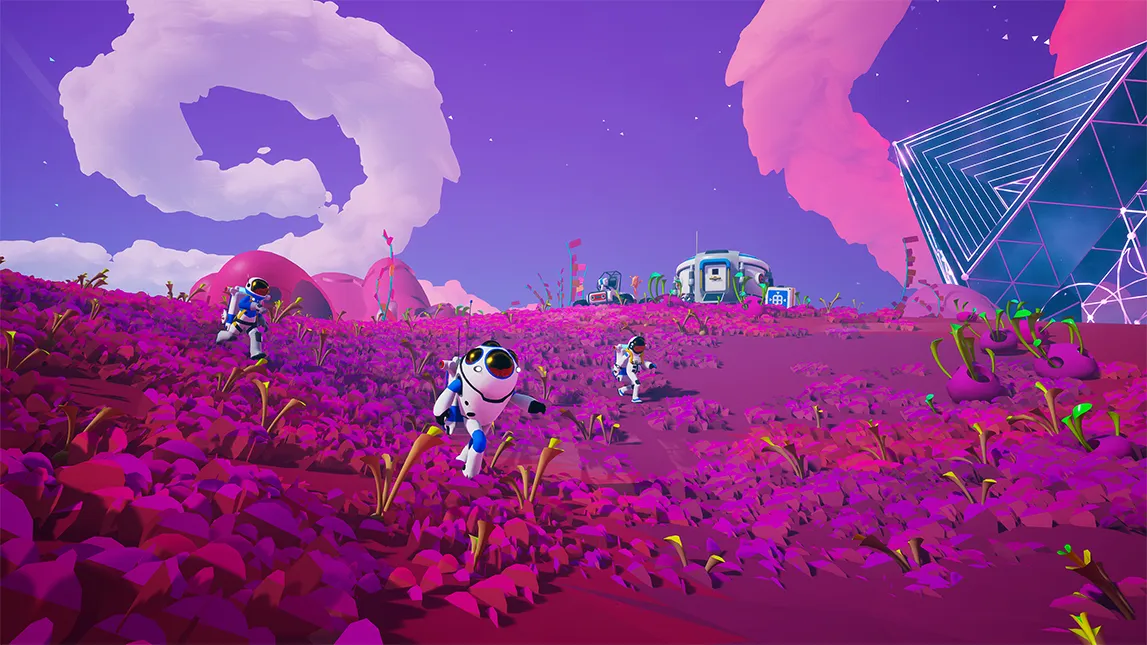
Caves are both rewarding and dangerous. They contain rare resources, research items, and shortcuts, but poor lighting and steep drops pose serious risks. Always carry tethers or vehicle oxygen when entering caves.
Exploring caves systematically prevents getting lost. Creating clear paths and exits ensures safe returns to the surface. Using terrain tools to smooth slopes reduces the risk of accidental falls.
Each planet’s cave system behaves differently. Some are wide and open, while others are narrow and vertical. Adapting exploration techniques to each planet keeps exploration safe and productive.
Research, Bytes, and Technology Progression
Research drives technological advancement in Astroneer. Bytes are earned by scanning objects and researching samples found across planets. Prioritizing high-byte research items accelerates progression significantly.
Choosing what to unlock matters. Early unlocks should focus on survival tools, storage upgrades, and power solutions. Unlocking advanced items too early can waste resources and slow practical progress.
As technology expands, automation tools become available. These systems allow resource processing without manual input, freeing players to explore and build instead of micromanaging production.
Automation and Factory Systems
Automation transforms Astroneer from survival game to logistical sandbox. Auto arms, sensors, and resource processors allow continuous production with minimal player input. Designing efficient automation chains requires careful planning.
Simple automation focuses on refining raw materials. More advanced setups include storage sorting and power regulation. Testing automation step by step prevents system failures and wasted resources.
Over-automation can become a problem. Large systems consume power and resources quickly. Balancing automation scale with actual needs ensures efficiency rather than chaos.
Interplanetary Travel and Space Logistics
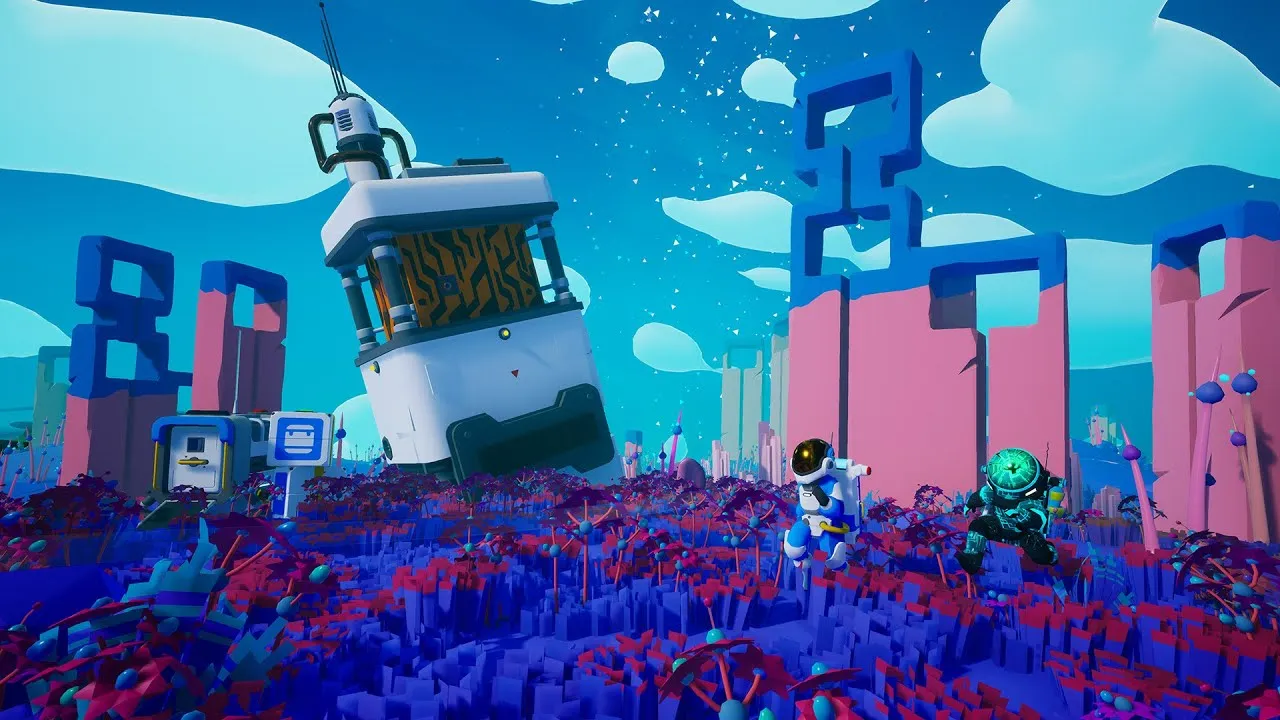
Traveling between planets introduces new challenges. Rockets require fuel, careful loading, and destination planning. Forgetting key supplies can leave players stranded far from home.
Establishing secondary bases on other planets improves long-term efficiency. Small outposts with power, oxygen, and storage allow repeated visits without rebuilding from scratch.
Managing interplanetary logistics is about preparation. Carrying extra fuel, tools, and resources ensures flexibility and prevents costly recovery missions.
Late Game Optimization and World Mastery
Late-game Astroneer is about optimization rather than survival. Power networks grow massive, automation chains expand, and planetary systems become interconnected. At this stage, efficiency is the primary goal.
Optimizing terrain around bases improves vehicle navigation and automation reliability. Flattened surfaces reduce bugs and improve visual clarity.
Exploration never truly ends. Hidden structures, secrets, and achievements reward players who continue experimenting and refining their planetary systems.
Conclusion
Astroneer rewards curiosity, patience, and creativity. Its systems are simple on the surface but deeply interconnected, offering endless opportunities for optimization and discovery. By mastering survival fundamentals, building efficient bases, and embracing automation, players can transform unfamiliar planets into thriving hubs of activity.
Whether you enjoy peaceful exploration or complex factory design, Astroneer provides the tools to shape your own experience. With the strategies in this guide, you can approach every planet with confidence and turn the unknown into opportunity.
160-Character Summary
A complete Astroneer guide covering survival, base building, automation, vehicles, exploration, and late-game optimization across multiple planets.